

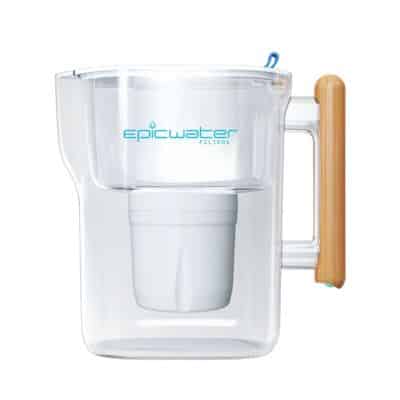
The Epic Pure XP pitcher is Epic’s newest water filter pitcher model, touted as the brand’s “most advanced and sustainable filter yet”. Compared to the original Epic Pure, the filter contains upgraded pleated media and covers twice the surface area, which is claimed to improve its performance in gravity-fed systems.
We’ve previously tested the Epic Pure, so we wanted to test the Pure XP to see how it compared to Epic’s previous model. We put the filter through the same hands-on testing processes, measuring everything from contaminants removed to filtration rate, setup and maintenance requirements, and several other factors affecting its ease of use and value for money. You can see how it performed across all categories in this review.
What We Like
What We Don’t Like
| Price | $89 |
| Contaminants Reduced | 200+ (claimed) |
| Certifications | NSF/ANSI 42 – Materials Requirements Only |
| Process | CoreXchange, Pleated Filtration Media + Powdered Carbon |
| Filter Capacity | 100 gallons/cartridge |
| Annual Cost | ~$215.35 |
| Warranty | 3 years |
Quick Verdict: Is the Epic Pure XP Worth It?
The Epic Pure XP scored 7.97 out of 10 in our testing, with a contaminant reduction score of 7.29. In our Tap Score lab test it removed 100% of lead (0.0044 PPM to non-detect) and 100% of total THMs (8.08 PPB to non-detect), but it reduced fluoride by only 10% (1.0 PPM to 0.9 PPM), and it holds no performance certifications.
The original Epic Pure scored higher, at 8.90, although we tested it on much less challenging water (137 PPM TDS versus 807 PPM for the XP), so the two contaminant reduction scores are not directly comparable. On the three contaminants present at near-identical concentrations in both tests (fluoride, nitrate, and uranium), the original Pure performed better each time.
Buy It If: Your priorities are removing lead, disinfection byproducts, copper, and uranium from your water (the Pure XP removed 88% to 100% of these contaminants), or you want a more environmentally friendly alternative to most other pitchers (the XP uses a reusable filter housing that minimizes plastic waste). Also consider this pitcher if you value US manufacturing and Epic’s 3-year hardware warranty.
Skip It If: You want fluoride removal (the Pure XP removed just 10% in our test), or you’re only considering filters with certified performance (the XP is certified to none of the 200+ contaminants it’s claimed to remove). Also skip this filter if you want fast filtration (the XP takes 31 minutes and 32 seconds to fill its reservoir, 0.76 GPH, the second-slowest pitcher we’ve timed), or low running costs (at $0.59 per gallon, it costs nearly 12x as much to run as the cheapest pitcher we’ve tested).
Methodology: Each filter we test is scored across 6 weighted categories: contaminant reduction (55%), filtration rate (10%), design (10%), setup (10%), maintenance (10%), and company (5%). Scores are based on data from our before-and-after Tap Score lab testing and official performance certifications. See full methodology.
📊 Scoring Data
At Water Filter Guru, we review all water filters based on data we collect ourselves through hands-on testing and subjective analysis.
We use a detailed scoring system that weighs multiple factors to give a balanced overall rating. Contaminant removal has the biggest influence (contributing to 55% of the overall scores we award), but we also factor in the filtration speed, design quality, ease of installation and maintenance, and the policies set by the filter manufacturer.
With this data, we can then compare a water filter across all similar products in our scoring system, giving us a fair side-by-side comparison.
In the next table, you can see how the Epic Pure XP Pitcher compared against other water filter pitchers we’ve put through the same testing process.
| Criteria | Results |
|---|---|
| Overall Score | 7.97 |
| Health Related Contaminants | 7.30 |
| Aesthetic Related Contaminants | 9.90 |
| Performance Certification | Not Certified |
| Filtration Rate | 0.76 GPH |
| Component Quality | Outstanding |
| Component Certification | NSF 42 – Materials Safety Only |
| Setup | Outstanding |
| Servicing Requirements | Outstanding |
| Costs | $0.59/ gallon |
| Warranty Length | 3 years |
| Shipping | Free shipping for the Clean Water Club only |
| Returns | 30 days |
🚱 How Well Does the Epic Pure XP Remove Contaminants?
Score: 7.29Key Finding: In our testing, the Epic Pure XP removed 100% of lead and total THMs, but only reduced fluoride by 10%.
In our Tap Score lab tests, the Epic Pure XP delivered a mixed performance.
It was excellent at removing several heavy metals and disinfection byproducts, but fluoride (which is heavily marketed by Epic as a key contaminant removed by the XP) was only reduced by 10%, from 1.0 PPM to just 0.9 PPM. That’s not a meaningful removal rate for a contaminant that’s one of Epic’s main selling points.
The XP did a much better job of removing 100% lead (from 0.0044 PPM to 0), total THMs (from 8.08 PPB to 0), nickel (from 0.00106 PPM to 0), and free chlorine (from 2.08 PPM to 0).
Specifically, the two THMs detected in our feedwater were bromoform (3.93 PPB) and dibromochloromethane (4.15 PPB). Both of these disinfection byproducts were no longer detected post-filtration.
The XP also reduced 99.42% copper (from 0.488 PPM to 0.00282 PPM), 88.88% uranium (from 0.0152 to 0.00169 PPM), and 37.94% barium (from 0.0311 PPM to 0.0193 PPM).
While uranium was greatly reduced, its post-filtration concentration still exceeded the Health Guideline Level of 0 for this contaminant, which, alongside the poor fluoride reduction and the silver detection discussed below, contributed to the XP’s health-related contaminant score of 7.30 and its overall contaminant reduction score of 7.29.
Which Contaminants Were Only Partially Removed?
A number of contaminants were only partially removed from our feedwater by the Epic Pure XP. These included:
- Selenium, reduced by just 20.26%, from 0.00543 PPM to 0.00433 PPM
- Chromium, reduced by just 7.75%, from 0.00413 PPM to 0.00381 PPM
- Strontium, reduced by just 0.62%, from 0.969 PPM to 0.963 PPM
We also noted minimal reductions in alkalinity (from 370 PPM to 333 PPM; a 10% reduction) and TDS (from 807 PPM to 791 PPM, a 1.98% reduction). This result makes sense given that the XP doesn’t use any filtration media that specifically addresses dissolved solids or minerals contributing to alkalinity.
Which Measurements Increased Post-Filtration?
Some measurements actually increased after filtration in the Epic Pure XP:
- Nitrate increased by 10.81%, from 3.7 PPM to 4.1 PPM
- Hardness increased by 4.14%, from 314 PPM to 327 PPM
- Calcium increased by 4.14%, from 94.1 PPM to 98 PPM
- Magnesium increased by 3.65%, from 19.2 PPM to 19.9 PPM
- Sodium increased by 12.96%, from 162 PPM to 183 PPM
- Potassium increased by 8.22%, from 3.65 PPM to 3.95 PPM
- Manganese increased by 180.15%, from 0.00136 PPM to 0.00381 PPM
- Chloride increased by 0.88%, from 113 PPM to 114 PPM
- Sulfate increased by 1.44%, from 208 PPM to 211 PPM
- Boron increased by 1.06%, from 0.378 PPM to 0.382 PPM
- Molybdenum increased by 3.36%, from 0.00119 PPM to 0.00123 PPM
- Vanadium increased by 2.00%, from 0.00150 PPM to 0.00153 PPM
These were generally small changes, and it’s worth noting that they’re within the sort of variation that you’d expect to see between water samples.
For all the water filter pitchers we tested in this batch, we followed the sample collection process recommended by our lab partner that involved:
- Collecting the unfiltered water in a bucket
- Swirling it to mix it
- Taking the baseline sample directly from the bucket
- Then filling all the pitchers from the bucket
The goal with this sample collection process is to reduce variances like these. This data tells us that the method is not perfect, and we suspect that many of these increases were due to incidental differences in contaminant concentrations in the portion of water that was poured into the pitcher compared to the baseline sample of water we took directly from the bucket.
So, the XP is unable to address or remove these impurities.
The manganese increase looks dramatic, but the numbers are tiny: just 0.00136 PPM before filtration and 0.00381 PPM afterwards. Both concentrations are well below the 0.1 PPM Health Guideline Level.
| Contaminant | Before Filtration | After Filtration | Health Guideline Level |
|---|---|---|---|
| Manganese | 0.00136 PPM | 0.00381 PPM | 0.1 PPM |
Were There Any Unusual Results?
There was one unusual datapoint in our Epic Pure XP filtered water test: silver wasn’t detected in the baseline sample, but measured 0.0133 PPM after filtration. That’s above the 0.009 PPM Health Guideline Level, which pulled down the contaminant reduction Health score.
| Contaminant | Before Filtration | After Filtration | Health Guideline Level |
|---|---|---|---|
| Silver | Not detected | 0.0133 PPM | 0.009 PPM |
The most likely explanation is leaching from the filter’s antimicrobial media. In our research, we couldn’t find any claims from Epic that the XP does contain silver, but it’s most likely incorporated into the nano-fiber outer layer / pleated media.
Silver is sometimes used in water filters primarily as an antimicrobial agent. Research has shown that silver ions can kill or deactivate many types of microorganisms, including bacteria, fungi, protozoa, and viruses. In water filters, this makes silver useful for preventing the growth of bacteria inside the filter media itself.
A 2016 study noted that silver can leach from water filters, and that the use of silver in commercially available filters has raised the risk of silver ingestion. Silver is generally not thought to pose a significant health risk in drinking water, although the use of particulate silver in water treatment has been possibly linked to genotoxicity (DNA damage).
Note that our analysis is limited to the single-point test we conducted, using a fresh-ish filter. We didn’t evaluate how contaminant removal might change over the filter’s advertised 100-gallon filtration capacity, so we can’t guarantee that you’ll get the same performance throughout this lifespan.
Also, we used challenging test water (807 PPM TDS, 314 PPM hardness, and 370 PPM alkalinity). We may have seen greater reductions of certain contaminants with a lower-TDS baseline, but we could only confirm this with a retest.
Is The Epic Pure XP Performance Certified?
Key Finding: The Epic Pure XP holds zero certified contaminant reduction claims; its NSF/ANSI 42 certification covers material safety of the filter element only.
The Pure XP is NSF certified to Standard 42, but this is for design, not performance. As a result, it received the lowest score of 6.00 in this subcategory.
In our years of reviewing water filters, we’ve seen a small number of water filter manufacturers vaguely claim that their filters have an NSF 42 certification without actually addressing what this means. Many of us will assume that the filter is certified for chlorine reduction, but actually, NSF 42 can exclusively cover materials safety and structural integrity, with no performance testing required.
In the case of the Pure XP, the certification applies only to the filter element’s materials safety requirements, not to its long list of 200+ contaminants it’s claimed to remove.
Epic has published a data sheet after testing its filter against NSF/ANSI Standards 42, 53, 401, and P473 for contaminant reduction. Note that independent testing doesn’t carry the same weight as official certification by the NSF, WQA, or IAPMO, and test conditions may not meet the rigorous requirements of official certification.
⚖️ How Does the Pure XP Compare to the Original Epic Pure?
Disclaimer: We tested the Epic Pure and the Pure XP on different source water:
- The original Pure water source had 137 PPM TDS and 90 PPM hardness
- The XP water source had 807 PPM TDS and 314 PPM hardness
That means their overall Health scores aren’t directly comparable, and this section will exclusively compare the contaminants detected in both feed waters.
With that said, fluoride, nitrate, and uranium were present at similar concentrations in both tests, so these are the fairest head-to-head data points that we have.
| Contaminant | Unit | Legacy Pre | Legacy Post | Legacy % reduction | XP Pre | XP Post | XP % Reduction |
|---|---|---|---|---|---|---|---|
| Fluoride | PPM | 1.1 | 0.8 | 27.27% | 1.0 | 0.9 | 10% |
| Nitrate (as N) | PPM | 3.5 | 2.8 | 20% | 3.7 | 4.1 | -10.81% |
| Uranium | PPM | 0.014 | ND | 100% | 0.0152 | 0.00169 | 88.88% |
| Copper | PPM | 0.163 | ND | 100% | 0.488 | 0.00282 | 99.42% |
| Barium | PPM | 0.0158 | 0.0093 | 41.14% | 0.0311 | 0.0193 | 37.94% |
| Molybdenum | PPM | 0.0026 | 0.0011 | 57.69% | 0.00119 | 0.00123 | -3.36% |
| Strontium | PPM | 0.11 | 0.121 | -10% | 0.969 | 0.963 | 0.62% |
| Sodium | PPM | 9.63 | 10.3 | -6.96% | 162 | 183 | -12.96% |
| Sulfate | PPM | 8.4 | 16.2 | -92.86% | 208 | 211 | -1.44% |
| Hardness | PPM | 90 | 91 | -1.11% | 314 | 327 | -4.14% |
| Total Dissolved Solids | PPM | 137 | 135 | 1.46% | 807 | 791 | 1.98% |
| Alkalinity (as CaCO3) | PPM | 70 | 64 | 8.57% | 370 | 333 | 10% |
| Manganese | PPM | ND | 0.0013 | N/A (appeared) | 0.00136 | 0.00381 | -180.15% |
| Chlorine | PPM | 1 | ND | 100% | 2.08 | 0 | 100% |
On all three of the matched-concentration contaminants (fluoride, nitrate, and uranium), the original Epic Pure performed better than the Pure XP.
Fluoride is the clearest example of this. The original Pure removed it by 27%, while the XP reduced it by just 10%. None of these are great results, though, especially since fluoride is the first contaminant that both filters are listed to remove.
We also noted a difference in nitrate reduction: the Epic Pure reduced it by 20%, while our XP-filtered water actually had a 10% increase in nitrate concentrations, from 3.7 PPM to 4.1 PPM.
Uranium is the closest of the three, but the original Pure still did better, removing 100% of this contaminant versus the XP’s 88.88% reduction.
That doesn’t necessarily mean the XP’s filter media is worse. The XP was dealing with much harder water with a significantly higher TDS: 314 PPM hardness and 807 PPM TDS, compared with 90 PPM hardness and 137 PPM TDS for the original Pure.
With more dissolved ions in the water, there’s more potential competition for the same media capacity, which can affect the removal of individual contaminants even when their starting concentrations are similar. We think this is a plausible contributor, but it’s not an excuse for the poorer results.
A Wider Comparison of Contaminants Removed
The table below shows a wider comparison of the contaminants reduced by each filter.
See our full Epic Pure review for a breakdown on how this filter performed.
Copper
Of the contaminants present in different feed amounts in each baseline sample, copper was the most consistently removed by both filters:
- The Pure removed 100% of 0.163 PPM.
- The XP removed 99.42% of 0.488 PPM.
That’s impressive: the XP was still capable of removing copper even with 3x the initial feed concentration of this contaminant.
Barium
We noted a similar result for barium:
- The XP removed 37.94% from a feedwater concentration of 0.0311 PPM.
- The original Pure removed 41.14% from an initial concentration of 0.0158 PPM.
So the XP was working with around twice the barium concentration and still removing a similar percentage. It’s a less impressive result in general, though, compared to the complete removal of copper.
Molybdenum
Another contaminant that was present in both baseline samples was molybdenum.
- The feed concentration of molybdenum for the XP was only 0.00119 PPM, close to the detection limit, and its apparent 3.36% increase likely just tells us that the filter didn’t remove it.
- The original Pure, on the other hand, removed 57% molybdenum in our tests, from an original concentration of 0.0026 PPM.
Sodium & Hardness
Interestingly, sodium increased in our water when we tested both filters:
- With the original Pure filter, sodium increased from 9.63 PPM to 10.3 PPM: a 6.96% increase.
- With the XP, sodium increased from 162 PPM to 183 PPM: a 12.96% increase.
We also saw an increase in hardness by 1.1% with the original Pure, and by 4.14% with the Pure XP.
Since we’re not seeing significant increases here, these results were most likely caused by fluctuations in our test water between each test.
Sulfate
Sulfate was one of the contaminants that received the biggest difference in treatment from the original Pure versus the Pure XP:
- When we tested the original Pure, sulfate increased by 92.86%, from 8.4 PPM to 16.2 PPM.
- In our Pure XP test, sulfate also increased, but far less substantially, by just 1.44%, from 208 PPM to 211 PPM.
It’s worth noticing the difference in these starting concentrations. While the sulfate increase with the original Pure seems notable, it’s actually only an increase of around 8 PPM. In comparison, we saw an increase of 3 PPM sulfate in our Pure XP tests.
Regardless, this was a disappointing result in both tests.
Manganese
We noted unusual results for manganese in both our tests:
- With the original Pure, manganese was undetected in the baseline sample, then increased to 0.0013 PPM in the filtered water.
- With the Pure XP, we also saw an increase in manganese, this time from 0.00136 PPM to 0.00381 PPM.
Since manganese increased in both tests, we believe it may be leaching from the filter media. The absolute concentrations are tiny either way, with both being well below the Health Guideline Level of 0.1 PPM and the EPA’s secondary standard of 0.5 PPM for drinking water.
Strontium
When we tested the original Pure, we saw a 10% increase in strontium, while with the XP, strontium was reduced by 0.62%.
Again, these results are likely incidental for both tests, simply telling us that neither filter can address this contaminant (even though the datasheet for the Pure documents a >99.73 reduction in strontium 90).
Chlorine
Chlorine was completely removed by both the original Pure and the Epic Pure XP, although we used different testing methods to gather our data:
- We used chlorine test strips for the original Pure, which documented a decrease in chlorine from 1 PPM to undetectable concentrations.
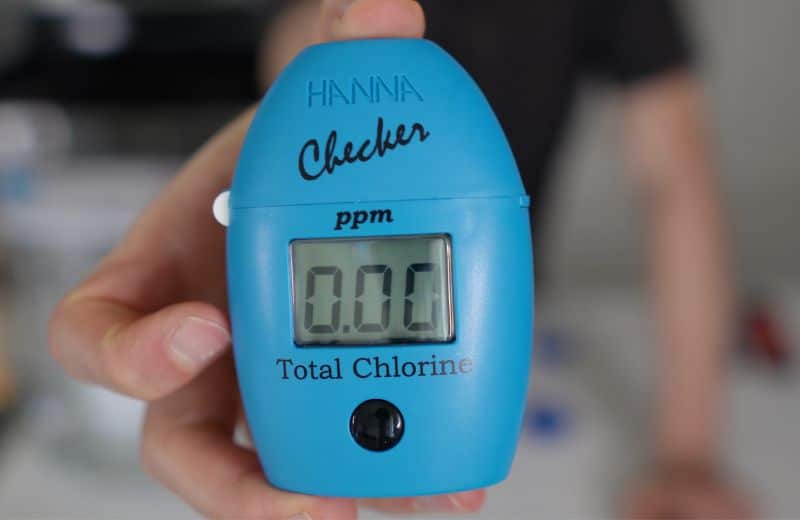
- For the XP, we used a digital colorimeter to detect free chlorine onsite. We now use this for all our chlorine tests because it’s much more accurate and precise than test strips. 2.08 PPM was detected pre-filtration, which dropped to 0.00 PPM post-filtration.
TDS and Alkalinity
Neither the original Pure nor the Pure XP made a significant difference to the TDS or alkalinity of our test water. Since these filters don’t use media that removes charged ions or dissolved solids, we didn’t expect to see a significant change in these parameters.
- When we tested the Pure, TDS decreased by 1.46%, from 137 PPM to 135 PPM, and alkalinity decreased from 70 PPM to 64 PPM, an 8.57% reduction.
- In our Pure XP tests, TDS decreased by 1.98%, from 807 PPM to 791 PPM, and alkalinity decreased by 10%, from 370 PPM to 333 PPM.
What We Haven’t Compared?
We haven’t included lead or total THMs in this comparison because there was no useful baseline in the original Pure test (those contaminants were either not detected or absent from the source water).
We also excluded phosphorus because it was below the 1.00 PPM detection limit in the XP’s baseline water.
What Does This Comparison Tell Us?
Key Finding: On the three contaminants at nearly identical concentrations in both baseline samples, the original Epic Pure beat the Pure XP every time. But due to differences in hardness and TDS in each water source, we can’t categorically say that the original Epic Pure filter is better-performing.
This comparison gives us some evidence to suggest that the original Epic Pure performed better than the new Epic XP.
When we compare the three matched-feed contaminants, the original Pure did a better job at removing all three:
- It removed 27.27% fluoride (versus the XP’s 10% reduction)
- 20% of nitrate was removed (compared to the XP’s 10.81% increase)
- It completely eliminated uranium (versus the XP’s 88.88% reduction)
But when we look at the metals in the much harder source water used for testing the XP, this newer model held up well. It removed 99.42% copper at 3x the original Pure’s feed concentration, as well as removing 88.88% uranium and delivering a very similar barium reduction performance, despite starting with roughly twice the barium concentrations.
So, what does this tell us? The XP appears to be capable of effectively reducing metals even with a more challenging water supply, while its fluoride and nitrate removal performance suffers.
We can only theorize why this might be. Perhaps it has something to do with the XP’s media reformulation: it now uses patented CoreXchange media rather than the original solid carbon block. Or, it could be a direct result of the elevated water hardness and TDS. We can’t confidently say that the XP’s performance is better or worse than the original Pure’s based on this comparison alone.
🚦Filtration Rate
Score: 7.50Key Finding: The Epic Pure XP took 31 minutes and 32 seconds to filter a full 64.58-ounce reservoir, a flow rate of 0.76 gallons per hour. That makes it the second-slowest pitcher we’ve timed and roughly 11x slower than the Waterdrop PT-07B, the fastest at 8.40 GPH.
The Epic Pure XP is the second-slowest water filter pitcher we’ve timed, behind only the LARQ Pure-Vis Advanced at 0.60 GPH. It took 31 minutes and 32 seconds to fill a full 64.58-ounce reservoir, with a feed water temperature of 73.3°F. That equates to a flow rate of 0.76 gallons per hour (GPH).
If we compare this result to several other popular pitchers we tested, the Waterdrop PT-07B has a filtration rate of 8.40 GPH (the fastest pitcher we’ve tested, roughly 11x faster than the Pure XP), while the Amazon Basics pitcher filters 1.90 GPH, the Clearly Filtered pitcher has a flow rate of 0.97 GPH, and the LifeStraw Home filters at 1.59 GPH.
| Product | Filtration Rate (GPH) |
|---|---|
| Waterdrop PT-07B | 8.40 |
| Nakii | 4.07 |
| Aarke | 2.44 |
| Amazon Basics | 1.90 |
| LifeStraw Home | 1.59 |
| Clearly Filtered Pitcher | 0.97 |
| Epic Pure XP | 0.76 |
This is a pretty substantial difference, and there’s a reasonable tradeoff to be aware of here. The XP’s dense CoreXchange pleated filter with powdered carbon is likely to blame.
When a filter has a higher density, water takes longer to filter through. It spends more time in contact with the filtration media, which can help with contaminant removal, so the slow flow rate isn’t necessarily a design flaw. But it can be an issue, particularly in filters that use gravity (rather than a booster pump or water pressure from plumbing), like water pitchers.
If you want relatively quick access to filtered water, the XP isn’t the pitcher we’d recommend. But if you’re happy to fill it and leave it while it works, this probably won’t be a dealbreaker for you.
⚙️ Setup
Score: 9.50Key Finding: It took us about 60 minutes to get usable water from the Pure XP, the longest in our pitcher test batch. The wait is almost entirely the two discarded reservoir fills at the filter’s 0.76 GPH flow rate; the assembly itself takes minutes.
Setting up the Pure XP is easy, although it did take us longer than expected.
The initial process involves rinsing the filter cartridge for about 1 minute, then filtering and discarding the first two reservoirs of water. This took a long time to complete because of the filter’s slow 0.76 GPH flow rate.
In total, it took us roughly 60 minutes to get the first usable batch of water from the pitcher. That’s the longest setup time of any filter in our test group. In comparison, the Amazon Basics pitcher took around 20 minutes to set up, while the Aarke pitcher had an even faster setup time of 15 minutes.
Many modern pitchers have simple setups that don’t require filter soaking or flushing. Instead, you can simply hold the filter under running water for a minute or two, then it’s ready to use. It’s a shame that Epic wasn’t able to incorporate this into the XP filter’s design, but perhaps it wasn’t possible due to the media used.
We found the setup instructions nice and easy to follow, earning a score of 9/10 because there aren’t any complicated steps and everything is outlined clearly.
Ultimately, the filter received a high score of 9.50 in this category because it’s easy to assemble and prepare for use.
📐 Design
Score: 9.70Key Finding: We appreciate the XP’s more eco-conscious design and its materials safety certification, but it inherits the original Epic Pure’s pour-through flaw: unfiltered water in the upper reservoir drains into the spout while pouring, so make sure to pour only once the full batch of water has been filtered.
The Epic Pure XP is a well-designed pitcher that’s easy to use. It holds 63 ounces of usable filtered water, while 1.6 ounces is effectively dead volume, giving it a 97.6% usable ratio. In other words, almost all of the water you put into the pitcher can be filtered and used.
The pitcher weighs 2.80 pounds when it’s empty, or around 6.73 pounds when it’s full. It measures 10.5 by 5.5 by 10 inches, so it should fit nicely in most refrigerator doors.
We found it easy to pour from the XP (something that actually isn’t a guarantee with all the pitchers we test!). You can pick it up and pour with one hand, and it earned a 10/10 for pour cleanliness (meaning no spillage while pouring). The handle has a good grip, even when the pitcher is full. A note on the handle, though: it’s supposedly bamboo, but we suspect it’s actually plastic with a bamboo look.
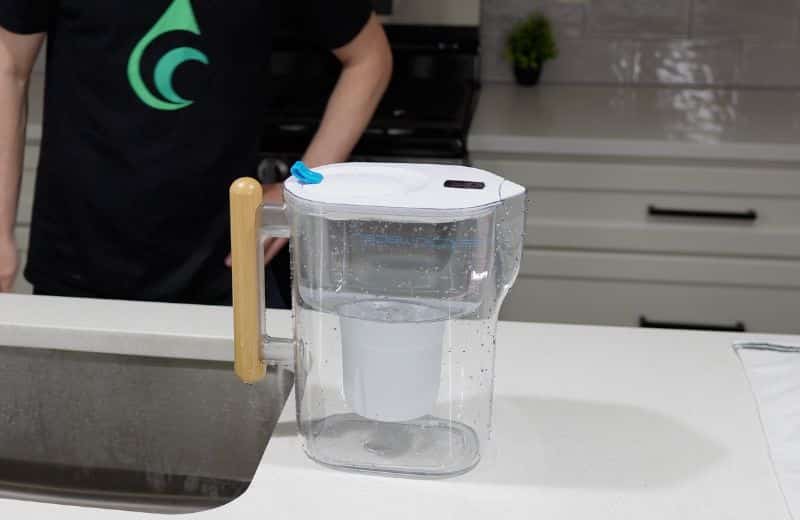
The main pitcher body is made from Tritan plastic, which is durable, BPA-free, and food-grade, making it a common material used in water filter designs. In terms of quality, it’s a definite upgrade from the previous Pure pitcher design (we described this as feeling “much thinner and flimsier than the other pitchers” in our review).
The quality of materials used in the XP earned it a 9.50 sub-score for component quality, and its NSF/ANSI 42 materials safety certification earned the full 10.00 for the certification sub-score, giving it an overall design score of 9.70.
Does the Pure XP Have Any Design Flaws?
The Pure XP doesn’t have a flawless design. The biggest issue has been carried over from the original Pure design: leaking from the unfiltered reservoir out of the spout when you pour. That means if you pour when there’s still water waiting to be filtered, some of that water can make its way out of the spout and drip down into the lower, filtered water reservoir.
We also found that the spout lid can widen the stream if you pour quickly, which makes it easier to spill water over the glass.
The good news is that it’s easy to avoid contaminating your filtered water with unfiltered water: just wait until the current filtration cycle has finished before you pour. That way, there’s no unfiltered water sitting in the upper reservoir that can leak into the spout.
We’re disappointed that this issue still exists with the Pure XP. Designing an updated model would have been an ideal time to address the flaws with the original Pure.
What’s The Replaceable Filter Like?
The XP uses a replaceable inner filter cartridge that sits inside reusable housing made from medical-grade polypropylene. Epic is pushing this as an eco-friendly alternative to most other water filter pitchers, which require the entire cartridge (including the plastic housing) to be discarded every time.
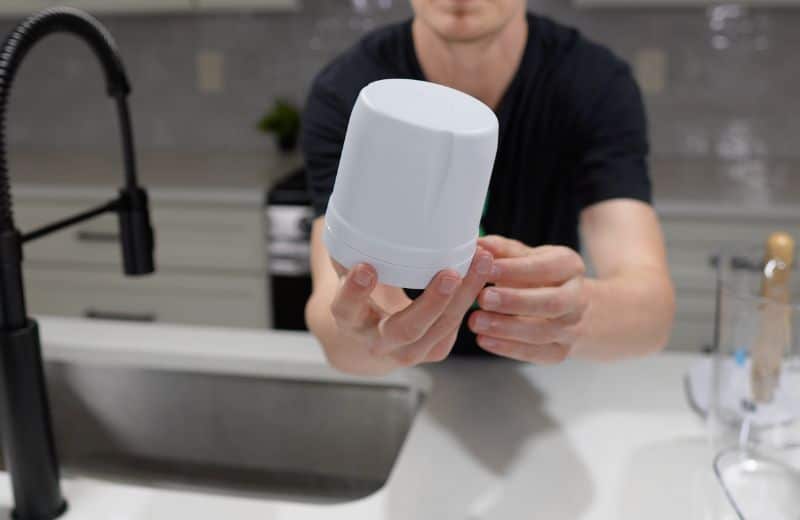
The cartridge uses a push-in gasket fit rather than the threaded housing used by other popular pitchers (such as the Clearly Filtered pitcher), which makes it easier to remove and seal properly.
Is the Pure XP Design Certified?
Yes, the Epic Pure XP has a design certification. It’s certified to NSF 42 for materials safety requirements only.
As part of this certification, it has been evaluated and determined to have a weighted average lead content of <=0.25%, which means it complies with lead content requirements for “lead-free” plumbing as defined by California, Vermont, Maryland, and Louisiana state laws and the US Safe Drinking Water Act.
🔧 Maintenance and Cost
Score: 8.75Key Finding: At $0.59 per gallon ($215.35 per year and $1,076.75 over 5 years at 1 gallon per day), the Pure XP costs nearly 12x more to run than the cheapest pitcher we tested, although it is easy to maintain thanks to the LED filter replacement timer and no-tool cartridge changes.
When we compare it to the average cost range across all the pitchers we’ve tested, the Epic Pure XP isn’t a cheap pitcher to buy or own in the long run.
How Much Do the Replacement Filters Cost?
Upfront, the Epic Pure XP pitcher costs $89 (at the time of this review), and replacement inner cartridges cost $59. Each cartridge has a rated filtration capacity of 100 gallons, which works out to $0.59 per gallon of filtered water. This translates to:
- An estimated annual running cost of $215.35
- A 5-year cost of $1,076.75
That’s one of the highest running costs in our test group! In comparison, the Waterdrop PT-07B costs just $0.05 per gallon, while the Aarke pitcher has an ongoing cost of $0.32, and Clearly Filtered costs $0.55 per gallon.
| Product | Purchase Price |
|---|---|
| Clearly Filtered Pitcher | $100.00 |
| Epic Pure XP | $89.00 |
| Amazon Basics | $25.50 |
| Waterdrop PT-07B | $20.00 |
| LifeStraw Home | $49.95 |
| Aarke | $135.00 |
| Nakii | $27.50 |
At $0.59 per gallon, the XP is one of the most expensive water filter pitchers we’ve tested to run; only the Culligan ZeroWater ($0.90 per gallon) and the legacy ZeroWater ($0.70 per gallon) cost more. It costs nearly 12x as much to run as the cheapest pitcher we’ve reviewed, the Waterdrop PT-07B at $0.05 per gallon.
Is The Epic Pure XP Easy to Maintain?
We generally found maintenance for the Epic Pure XP very easy, largely thanks to a couple of practical design benefits. There’s an LED 90-day countdown timer that reminds you when the filter needs replacing, and you don’t need any tools or DIY knowledge to swap out the cartridge.
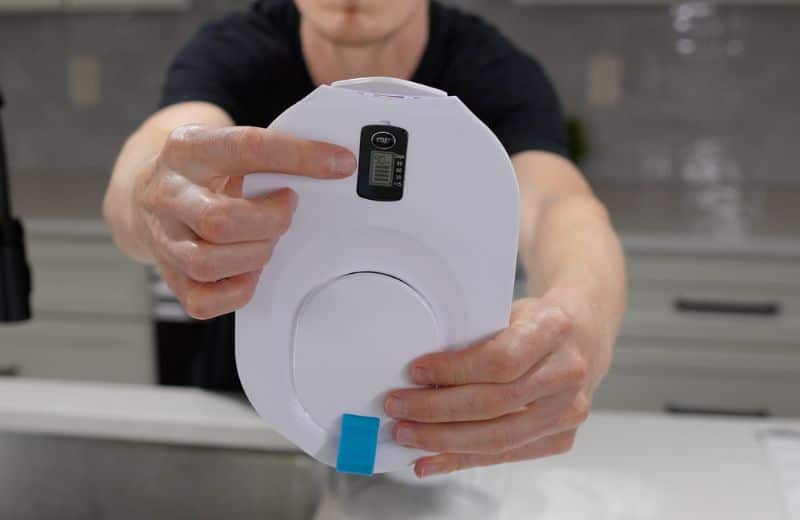
Epic claims that each filter lasts around 3-4 months, although the actual lifespan will vary depending on how much water you filter and the quality of your source water.
🏢 Company
Score: 8.30Key Finding: Epic backs the Pure XP pitcher with a 3-year hardware warranty and a 30-day satisfaction guarantee (60 days for Clean Water Club subscribers), and makes the filter in its own Palmetto, Florida facility, but free shipping is limited to subscription members and you pay return shipping.
Epic scored well in the Company category, with good support and policies behind the Pure XP.
Does Epic Offer a Warranty?
Epic offers a 3-year warranty for the Pure XP (excluding the filter cartridge and any replacement filters), which is a decent length when you’re spending just short of $100 upfront and committing to ongoing filter replacement costs. If you need to return the filter under the warranty, you’ll be responsible for the shipping fees.
The Pure XP is also made in the USA in an NSF-certified facility, which is another layer of confidence when we look at how the product is manufactured.
Like a handful of other water filter pitcher manufacturers, Epic offers a filter recycling program, which apparently applies to the Pure XP and allows you to receive a free filter when you return 5 cartridges. It’s worth checking the current terms before you mail your filters (you’ll have to pay for postage).
What Are Epic’s Shipping and Returns Policies?
Epic only offers free shipping for the Clean Water Club (folks who sign up to the filter replacement subscription).
Under Epic’s returns policy, you can return your filter at any point within the 30-day guarantee period if you’re not satisfied for a 100% refund. There are a few stipulations, though:
- Refunds cover the purchase price only, not shipping fees.
- You’ll need proof of purchase for any return, and you’ll need to have purchased from Epic’s website, no third-party sellers or marketplaces.
- Used filters or pitchers subject to improper use aren’t eligible for a return.
- Shipping fees will be your responsibility.
The Clean Water Club subscription members also get an extra 60 days tacked on to their returns period.
View Epic’s warranty and returns policies here.
💰 Final Verdict: Does the Epic Pure XP Offer Good Value for Money?
We think the Epic Pure XP is a capable pitcher with real limitations, and at 7.97 it lands below average in our scoring.
Starting with the negatives, it didn’t perform as well as the original Epic Pure in our testing, but we did test it with a more challenging water source. It’s also not performance certified, and it still has the water-leaking design flaw of the previous model. Plus, it’s very slow to filter water, and it’s more expensive (both upfront and long-term) compared to many other pitchers we tested.
On the plus side, we noticed improvements in the overall design quality of the pitcher, and the design certification is a reassuring bonus. Setup is easy, and apart from the silver detection and the nitrate increase we discuss above, we saw no other unexpected results in our contaminant reduction testing.
Ultimately, the Pure XP is worth considering, but it doesn’t match up to many of the best water filter pitchers we’ve reviewed.
❔ Frequently Asked Questions
Q: Does the Epic Pure XP remove fluoride?
A: Not effectively. In our Tap Score lab test, the Epic Pure XP reduced fluoride from 1.0 PPM to 0.9 PPM, a 10% reduction. That is a disappointing result given that fluoride is one of the key contaminants the XP is marketed to remove. The original Epic Pure reduced fluoride by 27% in our earlier test.
Q: Why did the Epic Pure XP score lower than the original Epic Pure pitcher?
A: The Epic Pure XP received an overall score of 7.97 in our testing, compared to the original Epic Pure pitcher’s score of 8.90. The gap comes mainly from the XP’s contaminant reduction score of 7.29 (versus 9.00 for the original Pure), which was pulled down by its 10% fluoride reduction, a nitrate increase, and silver that appeared in the filtered water above the Health Guideline Level. We tested the two filters on different source water (807 PPM TDS for the XP versus 137 PPM for the original Pure), so the contaminant reduction scores are not directly comparable.
Q: Epic Pure XP vs Epic Pure: which should you buy?
A: Based on our testing, the original Epic Pure is the better buy for most people. It scored 8.90 overall versus 7.97 for the Pure XP, removed more fluoride (27% versus 10%), filtered nearly 3x faster (2.23 GPH versus 0.76 GPH), costs less to run ($0.31 versus $0.59 per gallon), and has a longer 150-gallon filter life versus 100 gallons for the XP. The Pure XP wins on build quality (a design score of 9.70 versus 6.00), an NSF/ANSI 42 materials safety certification that the original lacks, and a replaceable inner cartridge that reduces plastic waste. Choose the Pure XP if build quality and sustainability matter more to you than running cost and filtration speed. You can read our full Epic Pure review for the original pitcher’s complete test data.
Q: How is the Pure XP Pitcher different from the Pure XP Dispenser?
A: Epic sells two water vessel options that house the Pure XP filter: a pitcher and a dispenser. Both use the same $59 cartridge with the same 100-gallon filter capacity rating. The dispenser uses a glass vessel and a stainless steel spigot, which will appeal to you if you want to minimize plastic contact with your filtered water.
Q: Why does the Epic Pure XP filter so slowly?
A: We can only speculate, but we believe it has to do with the density of the filtration media. In our tests, the XP had a flow rate of 0.76 GPH, based on a total fill time of 31 minutes and 32 seconds for the 64.58-ounce reservoir. The CoreXchange inner cartridge is denser and contains more media than the original Pure filter, which slows the rate at which water can pass through it.
Q: Is the silver in the filtered water safe?
A: We can’t confidently say that the 0.0133 PPM of silver detected in the Epic Pure XP’s filtered water in our test is safe, because it exceeds Tap Score’s Health Guideline Level of 0.009 PPM. Tap Score notes that prolonged exposure to elevated silver in water can cause a cosmetic concern: blue-gray staining of the eyes, nose, mouth, throat, and skin. Certain silver compounds have been linked to neurotoxicity and genotoxicity in animal studies, but the evidence is incomplete, and silver in drinking water is generally not thought to pose a significant health risk.
Q: How often do I replace the Epic Pure XP cartridge?
A: Replace the inner cartridge after every 100 gallons of filtration, which Epic estimates at around 3 to 4 months of typical use. The LED countdown timer on the pitcher lid is set to 90 days and alerts you when a new filter is due. Replacement cartridges currently cost $59 each.
Q: Does the Epic Pure XP reduce TDS?
A: No. The Epic Pure XP is not designed to reduce total dissolved solids. In our test, TDS dropped from 807 PPM to 791 PPM, a 1.98% change that is within normal sample variation. The filter contains no media that targets dissolved minerals or charged ions, so a TDS meter reading will look almost identical before and after filtration. That does not mean the filter isn’t working: it removed 100% of lead and total THMs, neither of which registers on a TDS meter.
Q: Can I use the Pure XP filter in an original Epic Pure pitcher?
A: According to Epic, the Pure XP filter is backwards compatible with all Epic pitchers and dispensers, so it will fit the original Epic Pure pitcher. We haven’t tested that combination ourselves. Keep in mind that the XP cartridge is rated for 100 gallons versus 150 gallons for the original Pure filter, so you’ll replace it more often.
Found this review helpful?
Comment below or share this article!